Putting Nocturnal Birds on the Map
What can a few years of incidental owl encounters reveal? My observations along British roads have become an interactive map, and the beginning of something much bigger with PatchBird Nocturnal.

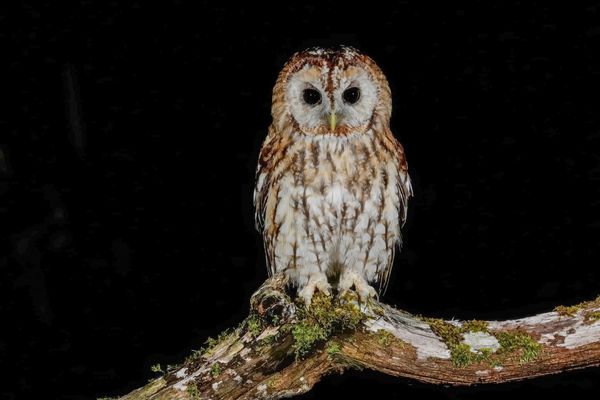
Over the past few years, I have recorded quite a few nocturnal birds during my travels across Britain. Most encounters – predominantly with Western Barn Owls and Tawny Owls – were incidental. Sometimes I stopped to listen for a little longer, while on other occasions, the encounter lasted only a few seconds.
I have always enjoyed these moments, but until recently, I hadn’t considered bringing all those observations together to see what they might reveal.
The introduction of PatchBird Nocturnal gave me a good reason to revisit my old records. I started organising observations collected since 2024, alongside the results of my more recent structured nocturnal surveys. The next step was to put everything on a map.
That was when things started to become interesting.
A different view of familiar places
Looking at the map, it is quite obvious that many of my records follow the routes I regularly travel across Britain. Southern Scotland is particularly well represented, with numerous observations along familiar roads and through valleys where I have spent countless nights.
Some locations have produced only a single record, while others have yielded owl encounters repeatedly over the years. My routes were determined entirely by work, not by where I expected to find birds. Yet I kept encountering owls at some of the same UTM grid locations.
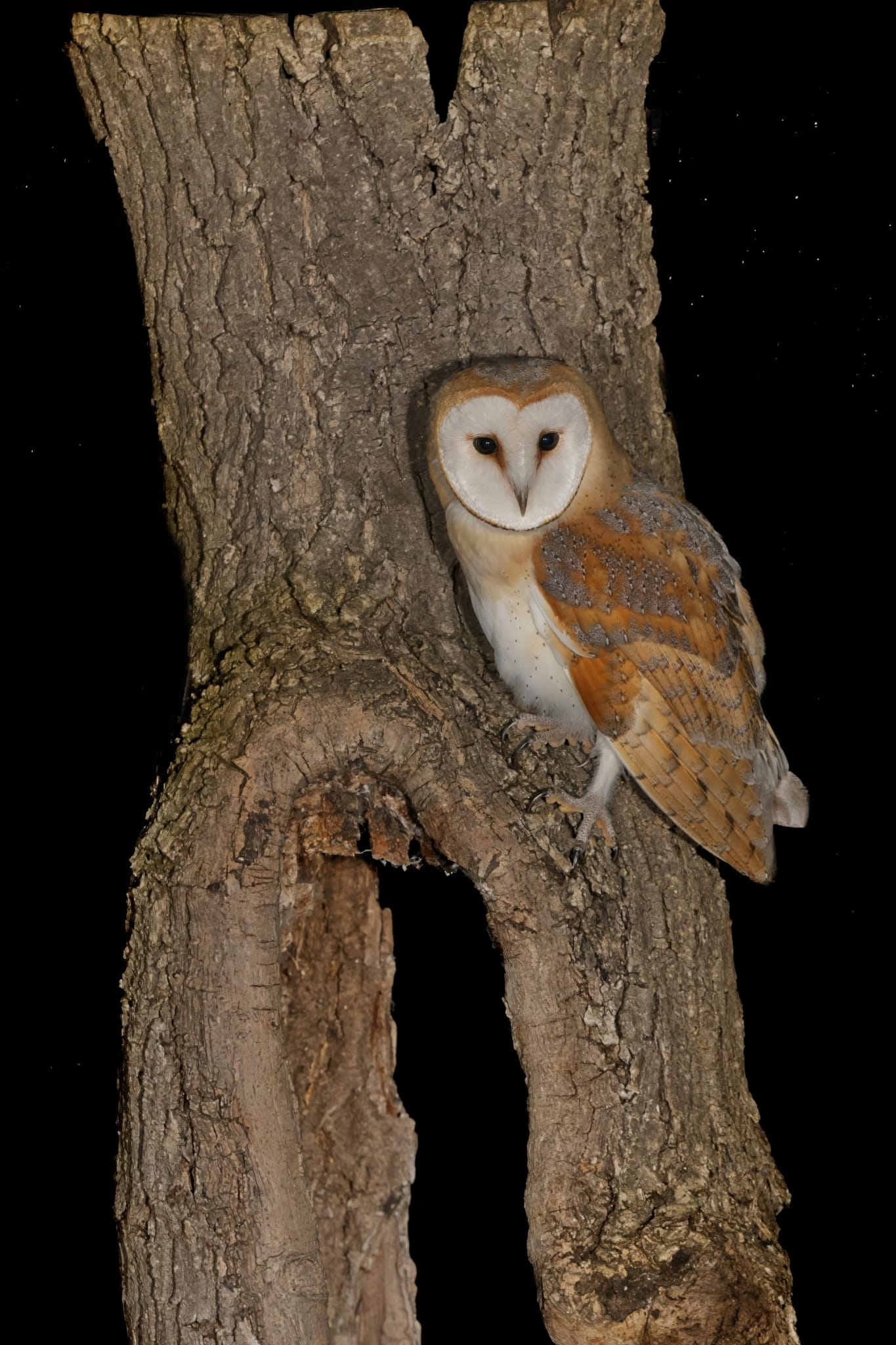
For years, these encounters were simply part of my everyday travels. I kept my eyes and ears open, occasionally stopping to watch or listen. With the introduction of PatchBird Nocturnal, I began adding structured surveys to those earlier records. Only when I brought everything together on the map did I appreciate how much those years of casual birding had produced.
Incidental observations and structured counts tell us different things. A chance encounter can document the occurrence of a species, while repeated surveys can help us explore how frequently it is detected.
A map of encounters
The interactive PatchBird Nocturnal maps now bring these records together, initially focusing on Tawny Owl and Western Barn Owl in Britain.
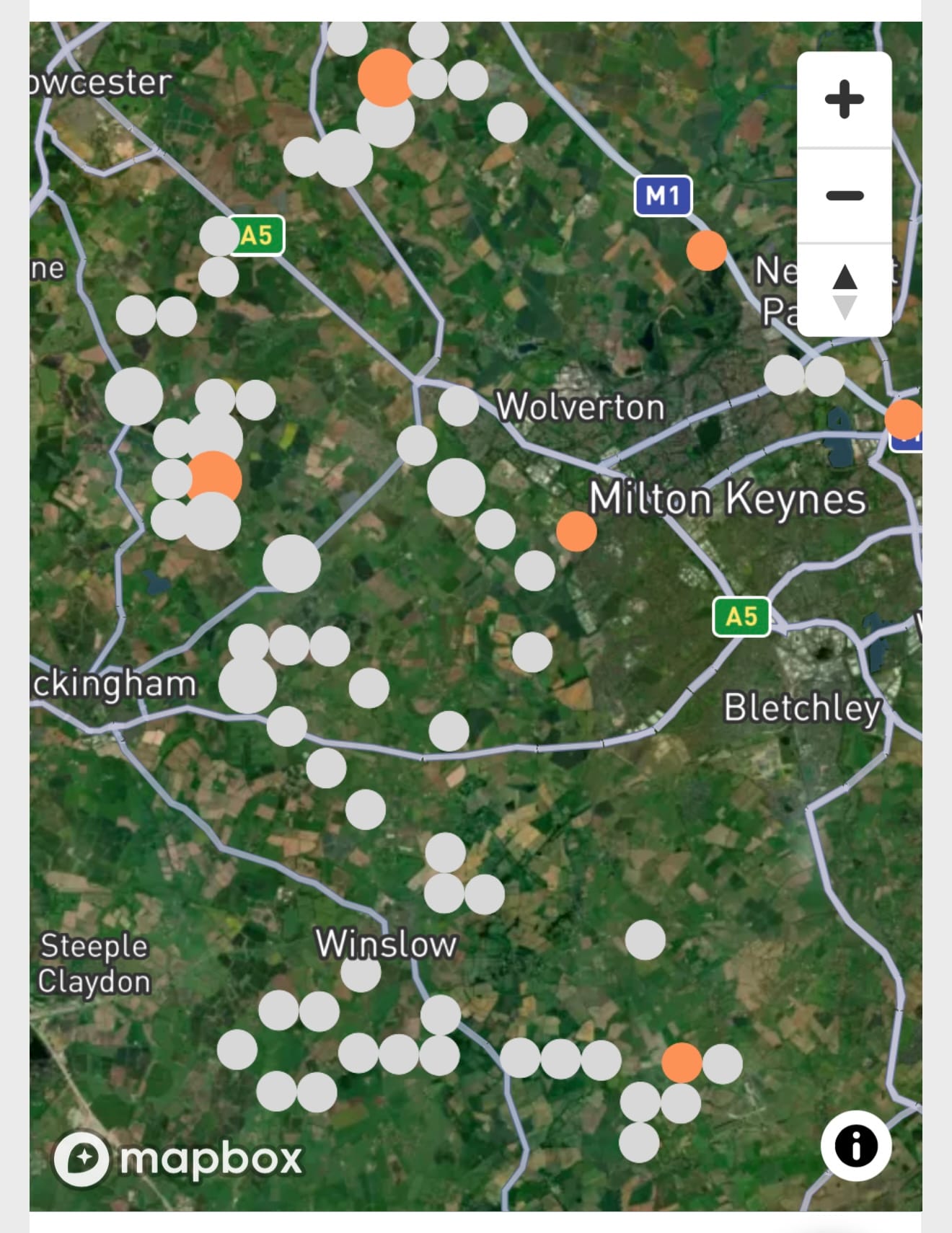
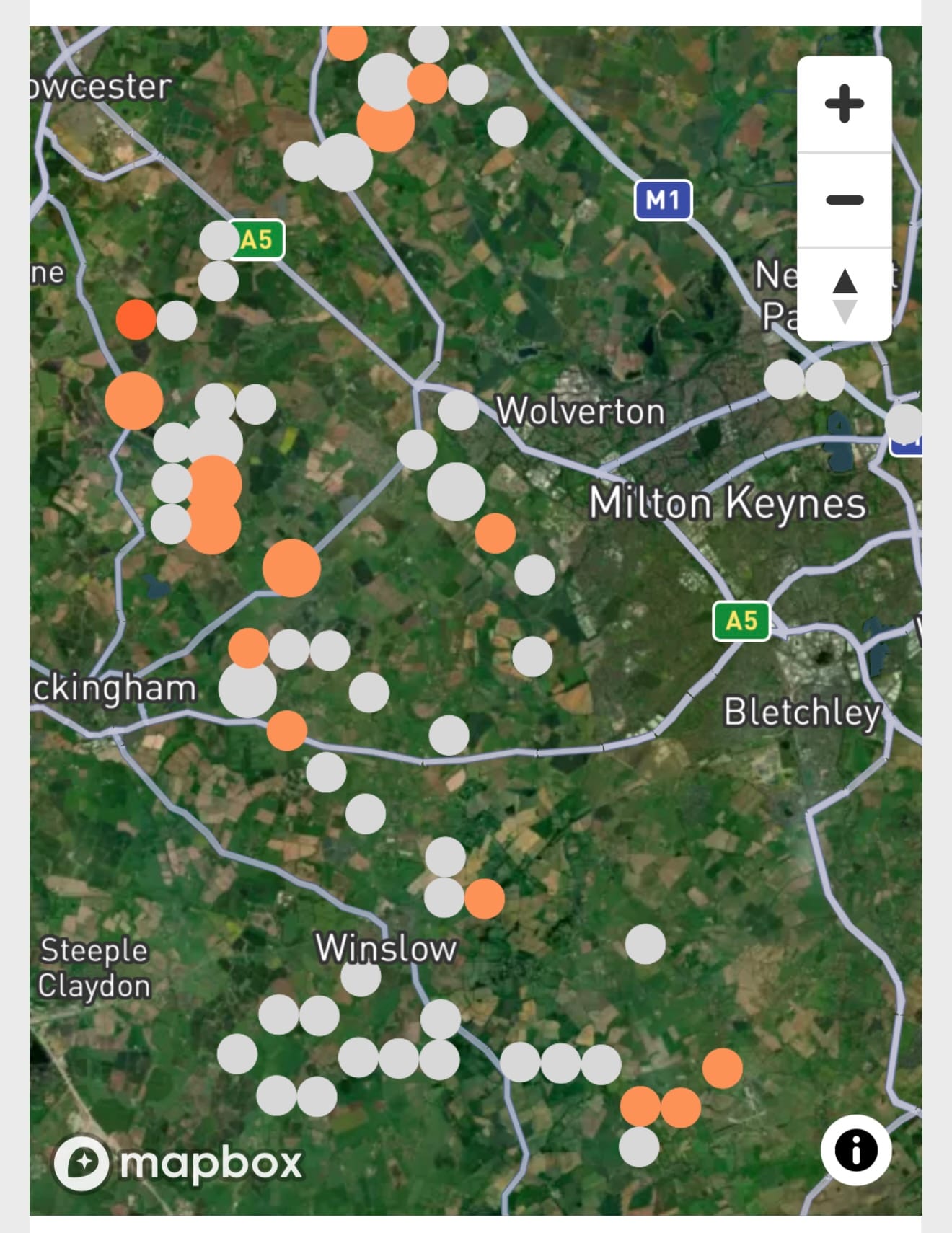
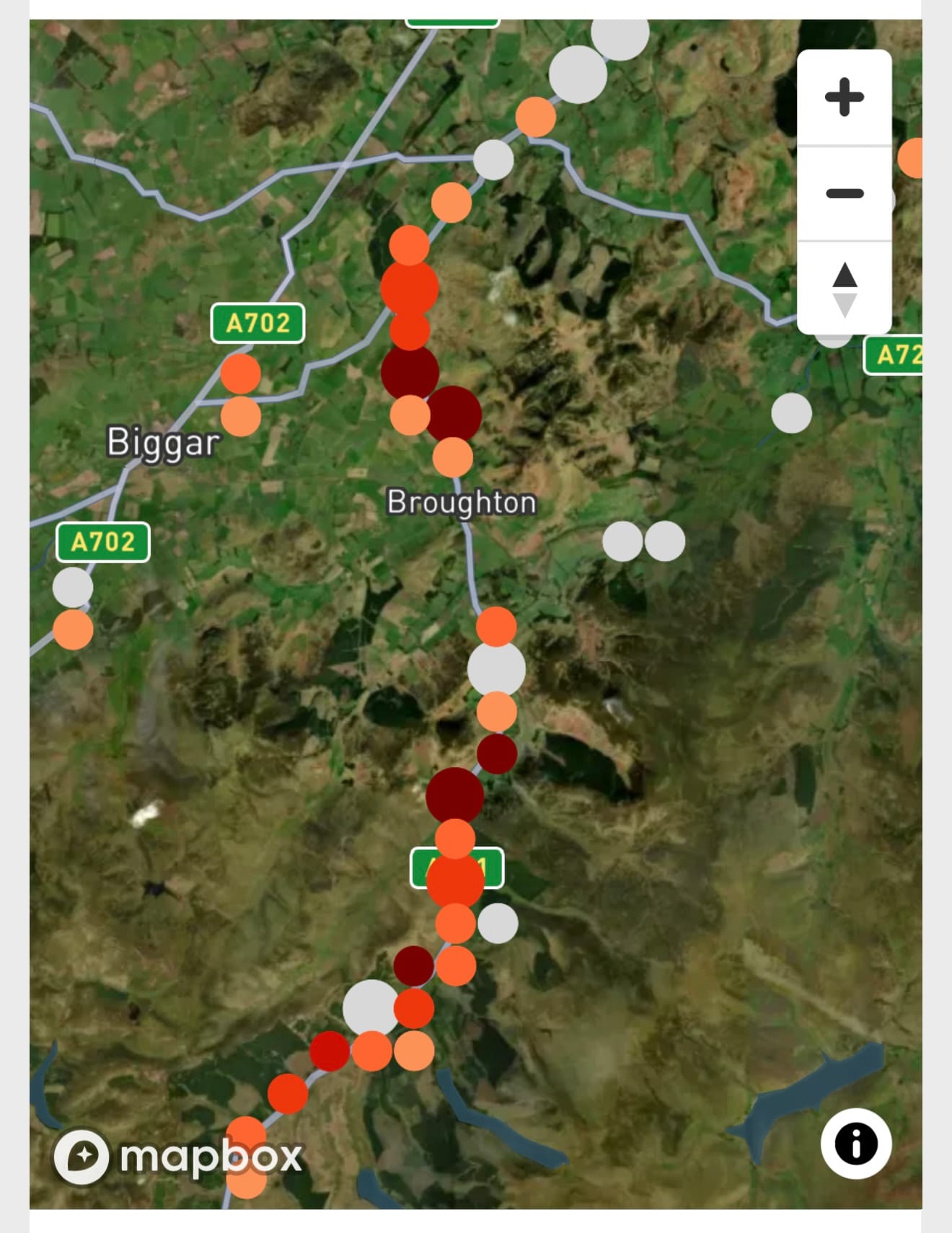
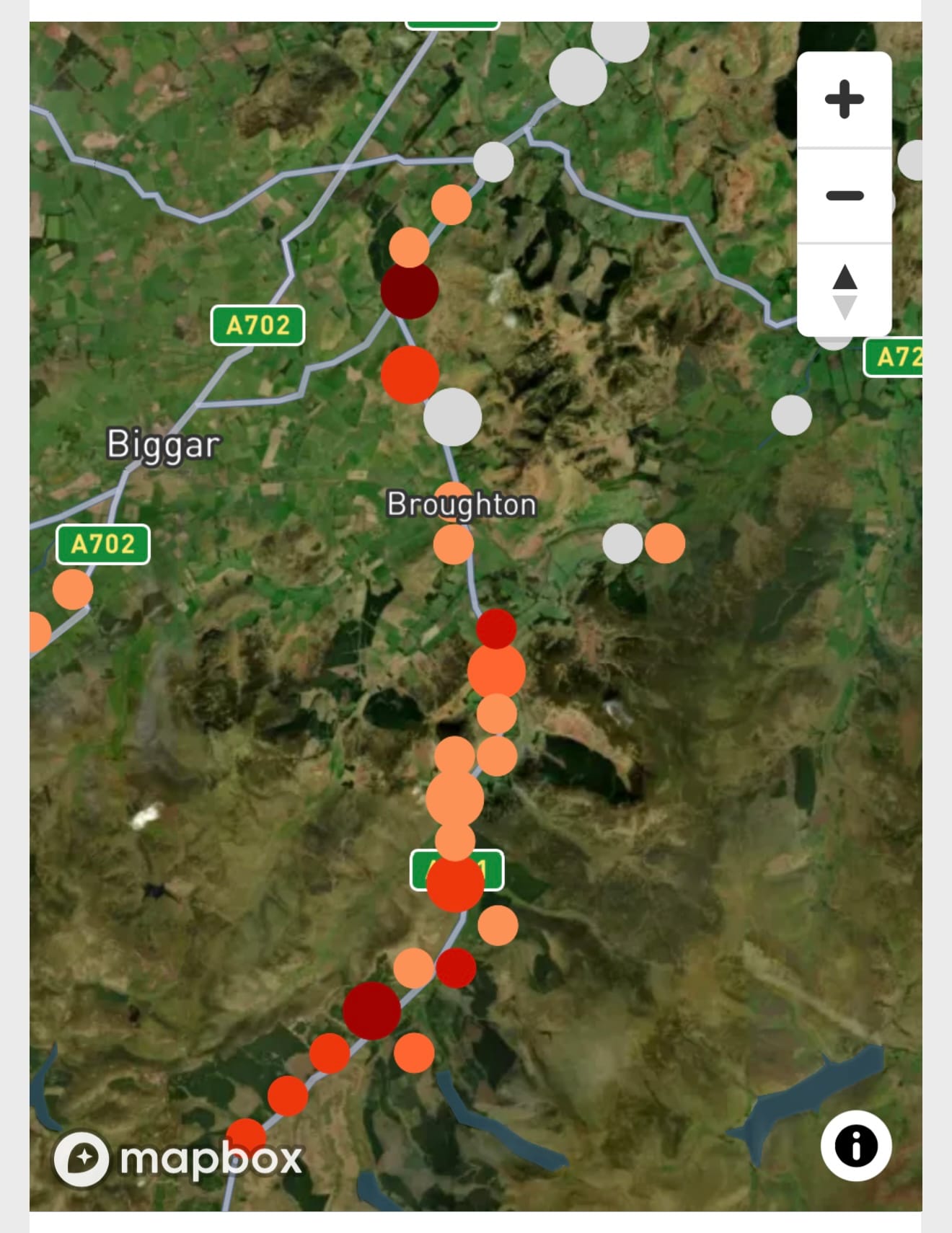
Two regions of Britain viewed through the PatchBird Nocturnal maps: Buckinghamshire (top row) and southern Scotland (bottom row), showing Western Barn Owl (left) and Tawny Owl (right). Each circle represents a UTM grid location, with colours indicating the number of visits on which the species was detected, while grey marks locations without detections during qualifying surveys. The differences between the two species offer an interesting picture of my encounters along familiar routes. Map visualisation © PatchBird Surveys / Gyorgy Szimuly. Basemap © Mapbox, © OpenStreetMap contributors.
Visitors can explore individual locations, switch between incidental encounters and stationary surveys, and see how recording activity has developed over the years. The maps also include non-detections from qualifying surveys. Even a night without an owl detection is worth recording.
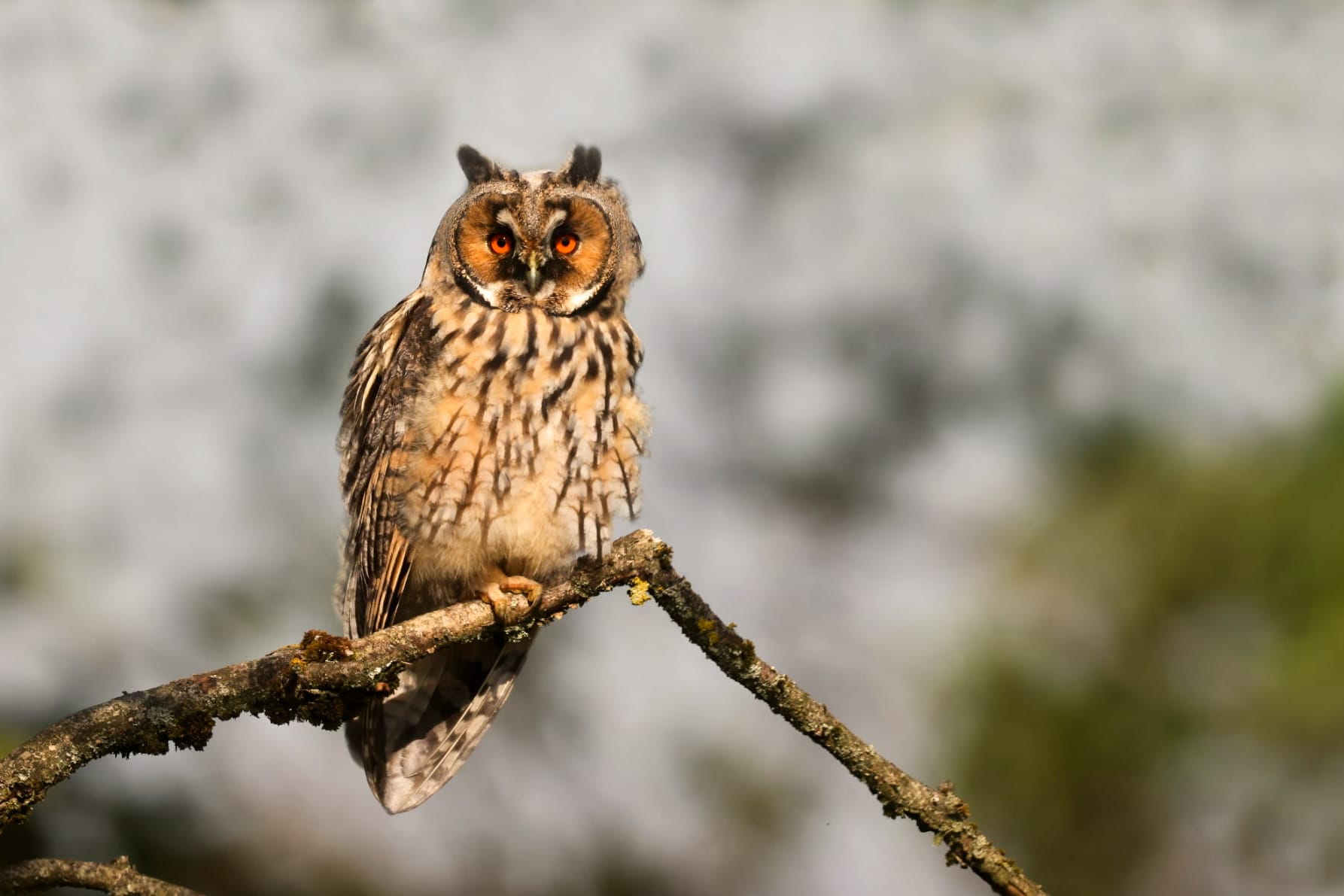
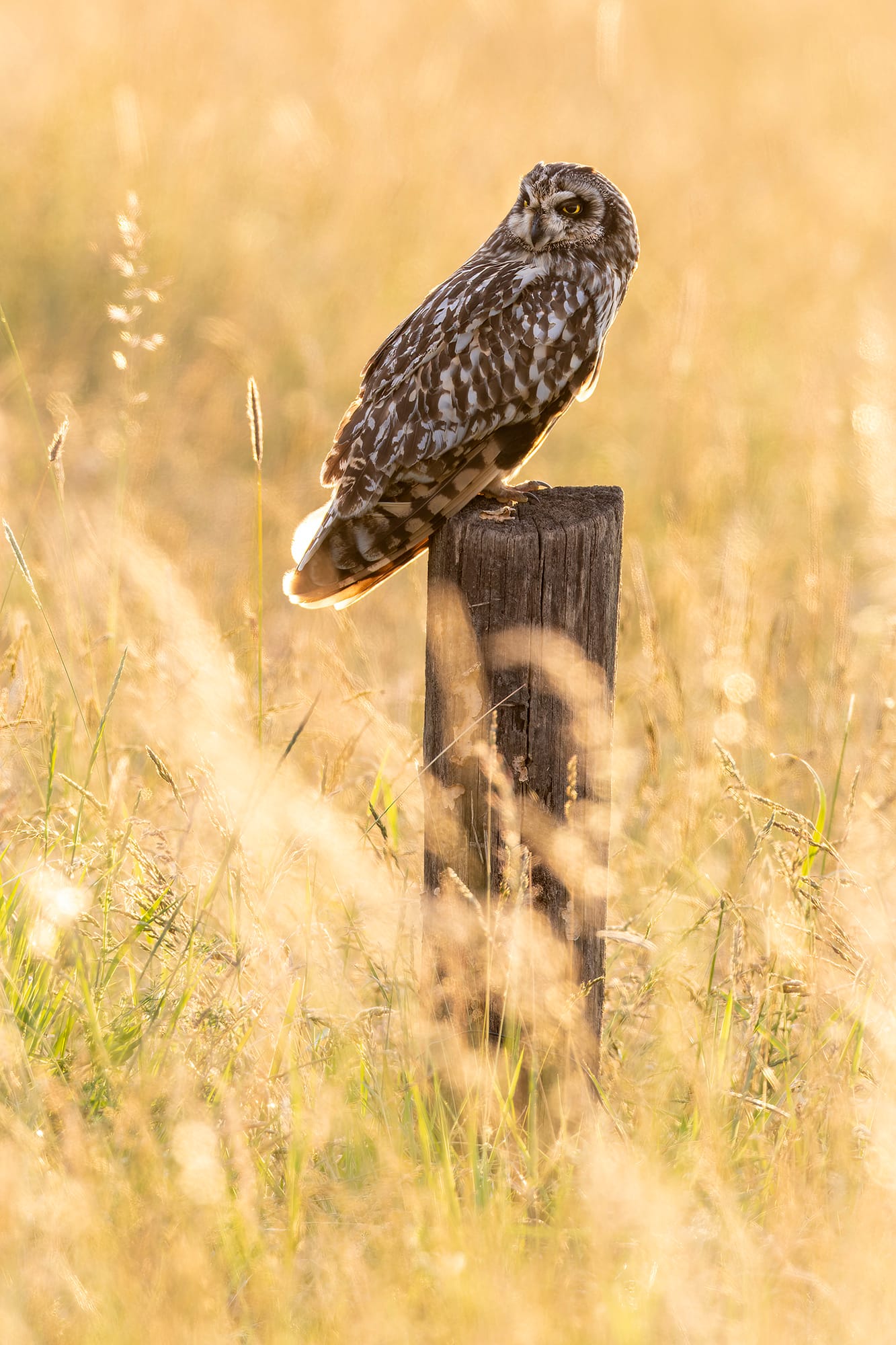
Long-eared Owls are notoriously difficult to detect outside the breeding season, although the begging calls of fledged young can reveal their presence. Short-eared Owls, by contrast, are frequently active during daylight, particularly in winter. These differences in activity and detectability are important considerations in nocturnal bird surveys. © Dean Eades / BirdMad (Long-eared Owl); © Attila Szilágyi (Short-eared Owl).
I have kept the maps focused on recording activity rather than the number of individual birds. They are not intended to represent owl abundance or population trends. What interests me is the geographical coverage and the history of observations at individual locations.
The recording methods and the way the data are presented are explained in more detail on the PatchBird website.
Beyond my own journeys
My many miles on British roads have also given me a less pleasant perspective on owls. In an earlier journal entry, I wrote about owl mortality and the 17 barn owls I had found killed during my travels. Sadly, that number has since risen to 23.
I would much rather be recording living owls than finding them dead on the roadside. Fortunately, the maps tell a happier story, built from years of encounters with birds hunting, perching or calling along my routes.
For now, it is largely a collection of my own observations. But there is no reason it should remain that way.
Imagine how much more interesting the picture could become if other birders started recording nocturnal birds around their own familiar places. A woodland edge, a patch of farmland, a local park or somewhere close to home. It doesn’t have to be a recognised birding hotspot. Places that rarely receive any attention may be particularly interesting.
PatchBird Nocturnal offers a simple seven-minute stationary survey method, and incidental encounters are welcome too. Nobody needs to commit to an ambitious schedule. Choosing a location and returning to it occasionally is already a good start.
The longer-term idea is to expand the project beyond Britain, with different target species appropriate to each region. Owls are only part of the nocturnal bird community, and there are plenty of other species worth recording.
I have no idea how extensive these maps might eventually become. But if a few years of keeping my eyes on owls while driving across Britain can produce this picture, imagine what we might learn with more people contributing observations from their own corners of the world.
Written by
What's Next?
Can Visible Bird Migration Turn Invisible?
More than 2,100 Woodpigeons and 1,100 Redwings passed my inland counting point in Buckinghamshire. As the sky cleared, the birds climbed higher and the visible migration almost disappeared. Was the movement ending, or were the birds simply flying beyond my sight?

Can Visible Bird Migration Turn Invisible?
More than 2,100 Woodpigeons and 1,100 Redwings passed my inland counting point in Buckinghamshire. As the sky cleared, the birds climbed higher and the visible migration almost disappeared. Was the movement ending, or were the birds simply flying beyond my sight?